

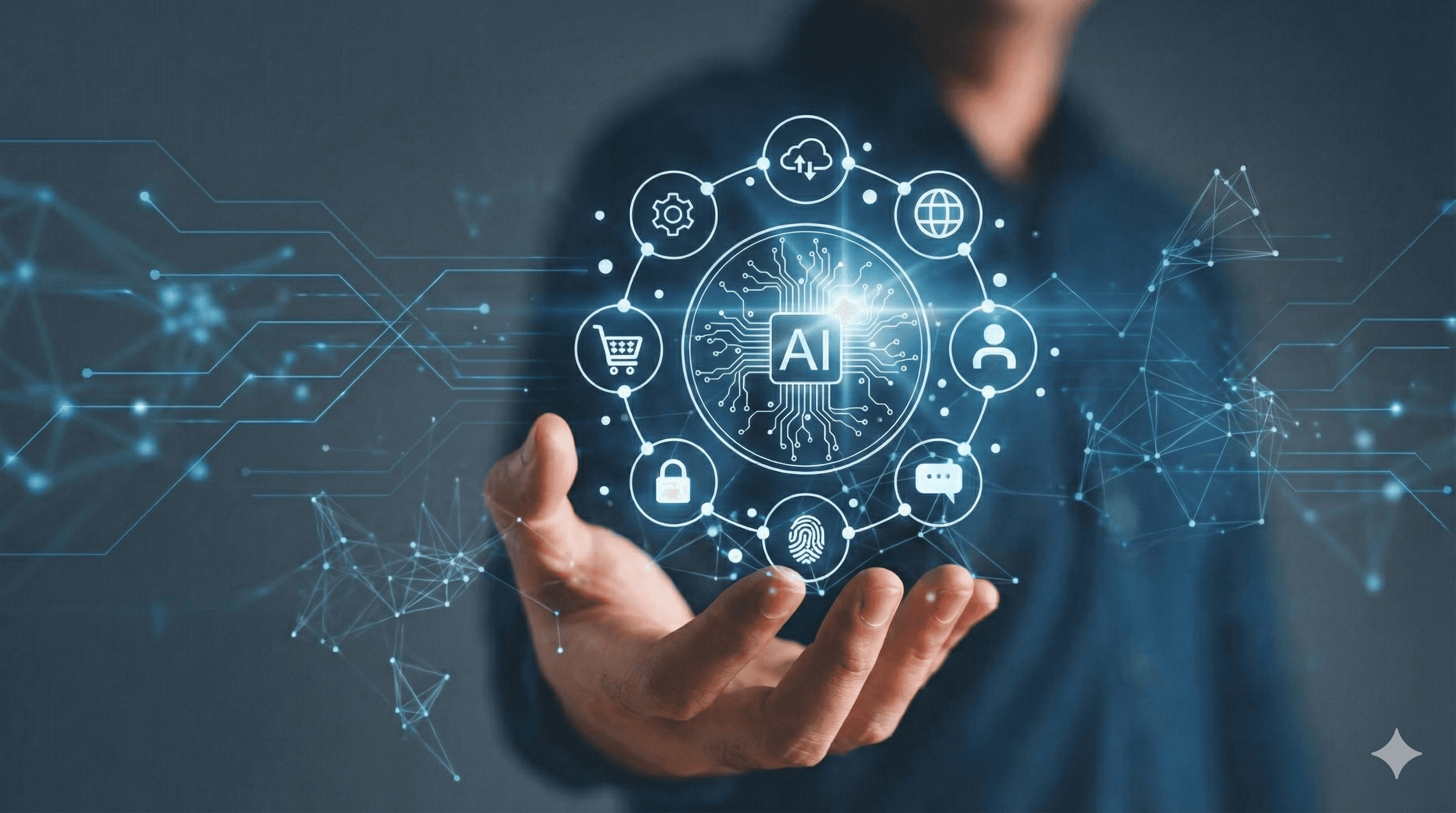
You see headlines about AI transforming everything. For a hotel owner, it can sound like a sci-fi plot, which is expensive, complicated, and maybe a bit scary.
The term "AI" gets thrown around a lot. For a hotelier, it can sound like it’s only for global chains with tech departments and seven-figure budgets. Yet, nearly three-quarters of hoteliers believe AI will have a transformative impact on hospitality.
For independent hotels, the opportunity is clear: preparing for an AI-driven workforce isn't hiring robots. It's using practical, affordable tools to automate mundane tasks, uncover hidden insights, and free your team to focus on genuine hospitality.
Let’s define what AI really means for you and build a practical, step-by-step plan to integrate it.
1. What AI actually means for your hotel
In a hotel context, “Artificial Intelligence” generally refers to software that can learn from data, recognize patterns, and handle specific tasks automatically, often tasks that are repetitive, data-heavy, or time-sensitive.
It’s less about humanoid robots and more about smart assistants that work in the background.
Common AI tools in hospitality today:
Chatbots & conversational AI: Handles FAQs, booking questions, and simple service requests 24/7 via your website or messaging apps.
Review intelligence (Natural Language Processing - NLP): Reads and analyzes guest reviews in seconds, categorizing sentiment about service, cleanliness, and amenities.
Predictive analytics: Forecasts demand, optimizes pricing, and predicts maintenance needs before equipment fails.
Computer vision: Used in security, inventory management, or analyzing public area foot traffic.
2. Start with a single, high-impact process
Don’t try to overhaul everything. Pick one area where repetitive tasks are draining your team’s time.
Example 1: Automate pre-arrival communications:
A chatbot handles routine questions instantly, freeing your front desk to create personalized welcomes.
Example 2: Understand your guests in minutes:
AI review tools analyze all feedback for you, turning guest comments into a clear action plan.
3. Use freed-up time to double down on the human touch
This is your core strategy. The goal of AI is not to make your hotel feel automated, but to create more space for human connection. Move your team’s role from information providers to experience curators.
Scenario: A chatbot confirms a guest’s late arrival. Your system notes they’re celebrating an anniversary. Your night manager can now prepare a simple, handwritten note and have a small amenity ready.
The result: The guest feels seen, not just processed. The automation handled the transaction; your staff delivered the memorable moment.
Note:
The most immediate opportunity for AI in hospitality is in amplifying the efficiency and effectiveness of existing staff.
4. Your realistic, 90-day AI integration plan
Phase | Focus area | Actionable step |
|---|---|---|
Month 1:Listen & learn | Guest feedback & service gaps | Use AI-powered review and operational analysis to understand recurring complaints. |
Month 2: Automate one workflow | Guest communication | Start with a high-volume, repetitive process like FAQs, check-in instructions, pre-arrival messages, or post-stay surveys. Introduce conversational AI or automated messaging to reduce frontline interruptions and free up staff capacity. |
Month 3: Predict & personalize | Operations, marketing & staffing | Apply predictive analytics to forecast demand, optimize staff allocation, anticipate guest needs, and personalize your offers. Shift your workforce from reactive firefighting to proactive guest care. |
Ongoing | Guest trust & team enablement | Be transparent about automation, maintain seamless human handoff, and train staff to work alongside AI tools. Establish clear guidelines for privacy, reliability, and continuous improvement. |
5. Unify your strategy with an AI-powered operating System
Managing separate AI tools for chatbots, reviews, pricing, and operations can become complex. The most effective approach is a centralized, AI-powered system that brings these capabilities together.
This is where a unified operating system like Quickrooms changes the game. Instead of patching together several solutions, you get one integrated system that:
Frees your team from administrative burdens, letting them focus on personalized guest interactions.
Provides predictive insights for pricing, maintenance, and staffing.
Automates guest communication
Analyzes feedback and sentiment
Quickrooms connects the dots between the strategies mentioned above, turning fragmented efforts into an intelligent workflow that helps you stay ahead.
Your path forward
The future of your independent hotel isn't competing with chains on technology. It's using smart tools to empower your team to compete on what you’ve always been best at: authentic, personalized, human hospitality.
Integrate AI into your workforce
Find out how Quickrooms' AI-powered operating system helps you stay ahead